
Essential Oil


Essential Oil is a concentrated hydrophobic liquid containing volatile (easily evaporated at normal temperatures) chemical compounds from plants. Essential oils are also known as volatile oils, highly concentrated, aromatic essences, or simply as the oil of the plant from which they were extracted, such as oil of clove. An essential oil is "essential" in the sense that it contains the "essence of" the plant's fragrance—the characteristic fragrance of the plant from which it is derived. The oils capture the plant's scent and flavor, also called its "essence."

Essential oils are generally extracted by distillation, often by using steam. Other processes include expression, solvent extraction, sfumatura, absolute oil extraction, resin tapping, wax embedding, and cold pressing. For flavoring food and drink, and for adding scents to incense and household cleaning products.

Product

Feature

  • A pale yellow to yellow colored clear liquid
  • Has spicy herbal balsamic woody scent
  • It is good source of Vit. A, Magnesium, Potassium, Iron and Calcium

Function

  • Acts as food flavoring and fragrance agent
  • Has analgesic, anti-depressant and anti-anxiety properties
  • Has anti-bacterial, anti-viral, anti-fungal and anti-inflammatory properties
  • Has carminative properties which helps with indigestion, constipation, flatulence and stomach cramps
  • Contains potent antioxidants which strengthen immune system, protect DNA structure and delay skin aging

Feature

  • A pale green yellow clear liquid
  • Has musky and spicy medical woody scent
  • Contains potent astringent, aphrodisiac and stimulant properties

Function

  • Act as flavoring and fragrance agent
  • Aids in facilitating efficient digestion and nutrient intake
  • Assists in lowering stress hormone level and gives energy boost
  • Contains hypoglycemic, anti-ulcerogenic, anti-bacterial and anti-fungal properties.
  • Aids in managing diabetes by improving insulin receptor function and regulating blood sugar level

Feature

  • A colourless to pale yellow free-flowing liquid
  • Has warming, sweet, spicy with a woody, balsamic aroma

Function

  • A natural flavoring agent in tea, soft drinks, condiments and food products.
  • Used as an oriental fragrance component in soaps, cosmetics and perfumes.
  • Contains carminative, antispasmodic and stomachic properties for stomach problems.
  • Promotes oral health and aids in disinfecting oral cavity, killing germs and eliminates bad breath.
  • Stimulates frequent urination which helps in weight loss, lower blood pressure.

Feature

  • Prepared from dried celery seeds
  • A pale yellow to brownish yellow thin liquid
  • Rich source of vitamins, minerals and calcium

Function

  • Used as flavoring agent in processed food, soft drinks, alcoholic and non-alcoholic beverages.
  • Act as stomachic, anti-ulcerogenic, carminative and diuretic agent.
  • An anti-microbial agent which inhibit E. coli and C. Albicans.
  • Contains anti-hypertensive and relaxant effects which regulate blood pressure level.
  • Offers anti-inflammatory, immunomodulatory and kapha pacifying qualities for inflamed conditions.
  • Induces menstruation while reducing the pain and discomforts

Feature

  • A pale yellow to reddish amber colored liquid
  • Has a sweet, cinnamic, spicy, woody and aromatic odor
  • One of the most potent sources of anti-inflammatory elements

Function

  • Enhance product preparation with aroma and fragrance of cinnamon
  • Flavoring agent in bakery products, sweetened beverages, sauces and fruit product.
  • Lowers blood sugar level by imitating and increasing insulin sensitivity.
  • Help with good digestion, prevents constipation issue and promotes toxin excretion through urine.
  • Has very strong anti-microbial and anti-bacterial effect on E. coli, Streptococcus mutants and other infections.

Feature

  • A colorless to yellow oily liquid
  • Has sweet, spicy with hint of balsamic woody scent
  • Contains antioxidant Eugenol that is more potent than those in Vit. E

Function

  • Used as flavoring agent, nutritional supplement and an ingredient in synthetic vanilla production.
  • Address digestive discomfort, motion sickness, stomach pain and ulcers.
  • Relieves excess blood pressure and prevent platelets clumping by assisting in major arteries dilation.
  • Effective germicidal and antimicrobial to fight dental pain, toothaches, sore gums and mouth ulcers.
  • Its high anti-inflammatory properties help with sore throat, cough, cold, sinusitis and chronic headache.

Feature

  • A yellow to brown free-flowing liquid
  • Has a spicy and penetrating odor and flavor

Function

  • As spice flavoring and fragrance in soups, gravies and alcoholic beverages.
  • Assist in improving insulin metabolism and decrease blood triglycerides.
  • Has strong carminative, analgesic, eupeptic and stomachic properties.
  • Good bactericide used to treat bacteria-caused diarrhoea and cholera.
  • Promotes weight loss by reducing fat cells and stimulates stomach, biliary and pancreatic secretion.

Feature

  • It has a (sweet) distinct licorice flavour and aroma (it is very strong, savory same as anise flower).
  • It has somewhat spicy and peppery.
  • Rich in flavonoids.

Function

  • It is commonly added to deserts for an extra depth of flavor and added into green juices to help fight sweet tooth cravings.
  • It can be used for herbal tea (medicinal purpose), for cooking such as fish dishes, salads, sauces and soups, add as a component for homemade sausage.
  • It has been identi?ed as a natural food ?avourer with potential for use either individually or in admixture in beverages, bakery and other food preparations for its antimicrobial and antioxidant properties. The oleoresins from fennel are used as a spice in processed foods, snacks, sauces and various vegetable preparations.
  • Fennel oleoresin has anti-parasitic, anti-spasmodic, anti-inflammatory properties and is a good digestive aid and increases the body metabolism.
  • However, the essential oil and the oleoresin of fennel are used in mainly in condiments, soaps, creams, liqueurs, perfumes, skin care products and alternative medicines.

Feature

  • It contains camphene, gingerol and has high level of total antioxidants.
  • It has a sweet, spicy, woody/ earthy and warm scent.

Function

  • Ginger was also used as a preservative to keep food from spoiling, skin & hair products, and in aromatherapy applications.
  • It used in teas (herbal tea), stewed meat dish, juices or smoothies, meat marinades, candies, desserts, and dressings and added to meals, including meat, because of its ability to aid digestion (softened the meat in a dish before cooking).
  • It works as an antiseptic, laxative, tonic and stimulant, enhance appetite, stress reliever or mood booster, has antibacterial & anti-inflammatory properties. It protects against cancer and can reduce nausea.

Feature

  • It contains camphene, gingerol and has high level of total antioxidants.
  • It has a sweet, spicy, woody/ earthy and warm scent.

Function

  • Ginger was also used as a preservative to keep food from spoiling, skin & hair products, and in aromatherapy applications.
  • It used in teas (herbal tea), stewed meat dish, juices or smoothies, meat marinades, candies, desserts, and dressings and added to meals, including meat, because of its ability to aid digestion (softened the meat in a dish before cooking).
  • It works as an antiseptic, laxative, tonic and stimulant, enhance appetite, stress reliever or mood booster, has antibacterial & anti-inflammatory properties. It protects against cancer and can reduce nausea.

Feature

  • It consists of two nutrients: linalool and linalyl acetate.
  • It has a sharp smell with a hint of flowery odor (sweet), floral, herbaceous, and slightly woody scent.
  • It is volatile oil

Function

  • It can be added to tea (herbal), It is used as a flavor component. It can be used for marinades and BBQ, to fishes (salmon).
  • Lavender oil is also used as an ingredient in many perfumes and hygiene, bath products.
  • It helps promote hair growth, prevent head lice, prevent skin inflammation, anti-inflammatory properties, relieve anxiety, induce sleep, increase blood glucose, treat flu, cold & headache, good for skin lightening (reduce wrinkles), and it has antimicrobial and antifungal properties. It also used for insect repellent.

Feature

  • It consists of approximately 90% terpene hydrocarbons. It also contains small amounts of various phenolic compounds and aromatic ethers.
  • It has spicy, sweet, woody aroma. It is insoluble in water, soluble in alcohol. flavor type: spicy.
  • It is also a source of minerals including manganese, calcium, iron, magnesium, potassium, copper, selenium, zinc, phosphorus, and omega-6 fatty acids. Rich in vitamin A, B6, C, thiamin, niacin, folate and riboflavin.

Function

  • The nutmeg essential oil is used as a natural food flavouring (spices) in baked goods, in meat & fish, syrups, veggies, soups, sauces, beverages (e.g. Coca-Cola), sweets (ice cream, custards), confectioneries, etc. It replaces ground nutmeg as it leaves no particles in the food. Certain coffee drinks, including cappuccino, are flavoured using nutmeg and cinnamon.
  • In traditional medicine nutmeg and nutmeg oil were used for illnesses related to the nervous and digestive systems, sleeping aid, improve memory & concentration, and fight free radicals.
  • The essential oil is also used in the cosmetic and pharmaceutical industries for instance in tooth paste and as a major ingredient in some cough syrups, it has antibacterial, antiseptic, detoxification agent, and anti-inflammatory properties.
  • Other uses in soaps, lotions, detergents, cosmetics, perfumes.

Feature

  • It has a delightful citrus (sweet, fruity smell) scent.

Function

  • Orange oil is commonly used as a flavor enhancer to beverages (soft drinks & juices), sweet meats, desserts, chocolates, biscuits and confectionery (candy) and baked goods.
  • It acts as a natural antibacterial agent (kill salmonella bacteria), use in biological pest control (kill ants) and provide antioxidant. The limonene which is the main component of the oil is a mild irritant, it can used in skin sensitizer (skin irritants). Industrially, it is utilized as a concentrate for room fresheners, deodorants, soaps, body lotions, \shampoo, face products and creams.
  • It can help reduce feelings of depression (mood booster), boost immune system, helps for high blood pressure, anti-inflammatory, pain reducer, cancer fighter, promote clear skin, to cool and soothe skin, can help with arthritis, can aid digestion, and may be used as antiseptic. It helps in the elimination of toxins in the body and deals well with digestive problems.

Feature

  • It has a piney or woody, floral, evergreen-like scent. It is typically described as invigorating and purifying.
  • Rich in dietary fiber, potassium, iron, calcium, manganese and Vitamin A. It is rich in micro-nutrients and aromatic compounds.
  • It contains Alfa-Pinene, a powerful anti-inflammatory and anti-pathogen nutrient. Though best known as a food seasoning, it is one of the most popular aromatic and medicinal plants worldwide.

Function

  • It can used on your salads as a delicious dressing, into your soups for a unique flavor, for herbal tea. The flavor it imparts to grilled meat, sauces, and dressings is just divine.
  • It has a positive effect on meat for color stability and oxidative stability.
  • The oil's health uses range from anti-cancer properties, antioxidant benefits and anti-inflammation to memory enhancement and great for hair growth & prevent acne (hair & skin products). It is a fantastic liver cleanser & booster, prevent food poisoning (antibacterial), fights free radicals, reduce stress levels, better blood circulation, and insecticide or insect repellent.

Feature

  • Rich flavor and free from rancid odors & tastes.
  • Rich in vitamins, calories, minerals and PUFA.
  • High stability, excellent oxidation stability, has low cloud point & melting and good keeping quality.

Function

  • Products containing corn oil powder include salad dressings, chips, sauces, bread, cookies, cereals and margarine, among others.
  • Has ability to improve HDL (good cholesterol), help to decrease LDL (bad cholesterol) and also good for diet, hypertension, and coroner heart sufferer.

Feature

  • Longer shelf life and healthy edible oil.
  • Rich in PUFA, vitamin E, free from foreign, rancid odors and tastes; has mild flavour.
  • High stability, Low cloud point & melting.

Function

  • Used as a cooking oil and in salad dressings, soups, shortenings, margarines, mayonnaise, vinaigrettes, spreads, sauces, baked products, for snacks (potato chips) and as an important oil component in baby food.
  • Reduces blood cholesterol levels, good for diet, hypertension, and coroner heart sufferer.
  • Used in skin care and hair care, besides many other industrial applications (such as soap, salve, paint, rustproofing for metal surfaces, inks, textiles, nitro-glycerine and insecticides) & also a feedstock used for biodiesel.

Feature

  • Light in taste (neutral flavor) and appearance and supplies more Vitamin E than any other vegetable oil, easy to digest and better absorbed in your digestive tract.
  • Rich in Omega-6, Vitamin E and good source of vitamin A, K; rich in phytosterols and monosaturated fatty acids.
  • Oxidatively very stable and is considered equal to olive oil for table use.

Function

  • Application: Biscuits, cream fillings, chewing gum, bakeries, sauces, margarines, frying (cooking oil), snacks, medicine and spraying processes.
  • Help to fight free radicals.
  • Good for heart, help to prevent uterine, lung cancer, aid in preventing cataracts, help in promoting skin, prevent skin cancers, and hair health. It used in cosmetic like lip balms and skin creams.

Feature

  • Rich in proteins. Some people even consider it a superfruit. Has deep orange, red, or even green color with a fruity aroma.
  • High levels of Vitamin E and essential vitamin for healthy skin. It contains antioxidants and other nutrients (like omega 3, 6, and 9. It's also a source of flavonoids, fight free radicals in the body).
  • It is ideal for formulation into products that require stabilizing, emulsifying, and penetrating actions.

Function

  • Used as an ingredient in: cosmetics, hair products, creams, gels, dietary foods, functional foods, natural or dietary supplements, dental health care products, healthy snacks, energy bars, energy drinks, and pet foods.
  • Rich and nourishes skin for a healthy glow and helps the skin in retaining its moisture (Hydrating the skin and clearing acne).
  • Promote heart health, may also play a role in preventing or treatment of bladder and kidney infections. Resistance to bacteria & viruses.

Feature

  • Has a mild, clean and nutty flavor.
  • Has an ideal balance between Omega 3 and 6 fatty acids. High in polyunsaturated fatty acids (PUFA), antioxidants and phytosterols.
  • Contains vitamin B3, zinc, vitamin B1 (thiamin) and B3 (niacin). Both thiamin and niacin are involved in biochemical processes that enable the body to metabolize carbohydrates, fats and amino acids (protein)

Function

  • The culinary uses: for healthy salad dressings, an excellent health-boosting addition to all types of smoothies (fruit smoothies and green smoothies), and used in almost any recipe without altering the taste of the dish (into oatmeal, yogurt, or cold soups, as ingredient in healthy bread recipe, pudding and jam).
  • Good overall health (lower LDL Cholesterol and increasing HDL Levels), has a strong anti-inflammatory properties.
  • For skin, help moisture skin levels which reduces the appearance of black spots, fine lines and wrinkles as well as relieving dryness and peeling (helps for clogged pores). Promotes radiant and youthful looking skin.

Feature

  • A pale yellow and brownish thin liquid
  • Has herbacueous, spicy and medicinal odor.
  • It is more aromatic than thyme with a less subtle taste

Function

  • As a flavor and aroma additives for foods, bakeries and alcoholic beverages
  • Contain high content of thymol which makes it ideal for medicinal usage.
  • Has system stimulating and laxative properties which help in weight reduction.
  • Has local anaestatic, carminative, analgesic and anti-nauseant property.
  • It is a major antibacterial, anti-infectious, anti-viral, anti-fungal and anti-parasitic agent.

Feature

  • A clear pale yellow oily thin liquid
  • Has mild taste and characteristic almond smell

Function

  • As a flavoring additive and an emulsifier in beverages, baked goods and chewing gums.
  • Used as a food flavoring in bakery application, salad and as a cooking oil.
  • Reduce risk of diabetes by reducing blood sugar concentrations after meals.
  • Reduce risk of heart disease and stroke by reducing levels of bad cholesterol and triglycerides.
  • Has ability to inhibit the growth of colon cancer tumor cells.

Feature

  • A dark amber liquid with medium viscosity
  • Known as the "Habbatul barakah" or Blessed seed

Function

  • Used as flavouring agent in ethnic foods, herbal teas, candies, and liquors.
  • Used as pepper substitute on meat dishes, and in soups and stews.
  • Lowers blood glucose level and reduces insulin resistance.
  • Maintains healthier cholesterol level with its high good fatty acids content
  • Contains anti-allergic, anti-histamine, anti-microbial and anti-inflammatory effect

Feature

  • A colorless to pale yellow free-flowing liquid
  • Has a pleasant, sweet, woody-spicy and slightly musky scent

Function

  • Used in fruit, ginger ale and vanilla flavors beverages, liquors and condiments.
  • To enhance the flavors of confectionary, seasonings and sodas.
  • As a fragrance for gin, liquors and tobaccos.
  • Has carminative, antispasmodic, sedative and analgesic properties.
  • Decreases the uptake and enhances the breakdown of lipids to prevent and cure hyperlipidaemia.
  • An effective anti-bacterial to eliminate bad breath, body odor and to prevent food-born pathogenic illness.

Feature

  • It has a powerful aroma which is fragrant but with tones of bitter.
  • It is rich in protein content and carbohydrates.
  • Fenugreek seed essential oil - It contains volatile compounds which have unique health benefits.

Function

  • Fenugreek seed oil (mainly of unsaturated acids, namely linoleic, linolenic, and oleic acid), is used in flavoring many canned foods, as a component of curries & other spices and syrups and as an ingredient in soma perfumes.
  • It has beneficial effects on blood sugar (improve the function of hormone insulin). Fenugreek oil improves the glucose intolerance and and can lower blood glucose levels. It helps to restore normal kidney health, helps relief from nasal congestion, headaches & other discomforts.

Feature

  • It has fresh / refreshing, energizing and uplifting scent, slightly sweet. It also adds a pleasant taste and aroma to food.
  • It contains powerful antioxidants
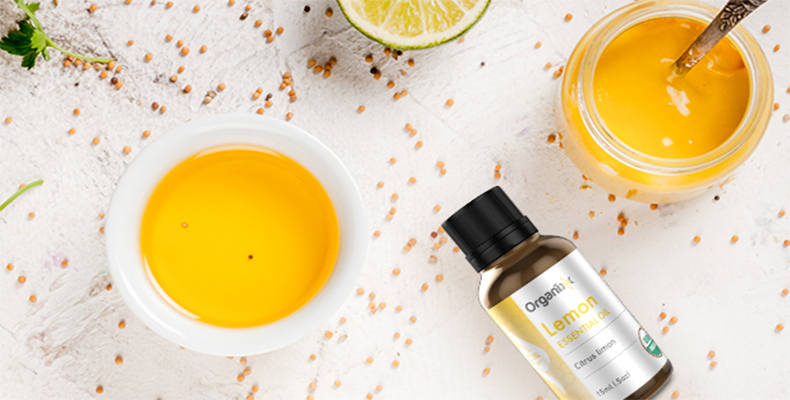
  • Rich in vitamin C

Function

  • It is added to softened butter and use on fish, and steamed vegetables (salad). Add lemon oil to sweet treats that includes lemon inside and used in a spray to keep cut fruit fresh until serving.
  • The health benefits of lemon oil can be attributed to its stimulating, calming, astringent, detoxifying, antiseptic, disinfectant and anti-fungal properties.
  • Lemon oil is best known for its ability to cleanse toxins from the body and it's widely used to stimulate lymphatic drainage, rejuvenate energy, purify skin, helps metabolism and digestive system, reduce inflammation & allergy/ asthma, promote fat-loss and fight bacteria and fungi.

Feature

  • It has main chemical components: Thymol, and para-cymene.
  • It has a fresh, sweet, and herbaceous scent.
  • It contains thymol, an antiseptic property which is commonly used in mouthwashes and toothpastes.

Function

  • It can used in flavoring. Use 1-2 drops in meat and entre dishes to add a fresh herbal flavor, used in teas (herbal) and added to soups.
  • Thyme oil can be used as a preservative against spoilage and several foodborne germs that can contribute to health problems (antimicrobial). It is effective against other forms of bacteria such as Salmonella, Enterococcus, Escherichia and Pseudomonas species.
  • It serves as a diuretic that helps with the removal of toxins, salts, and excess water, supports the immune system, muscular health, joint support, improve vision, helps to solve sleeping problems, skin problems, anxiety and respiratory wellness.
  • It can be used in hair & skin products (for cleansing and purifying effect for the skin), aromatherapy oil, mouthwashes & herbal rinses, and insecticide or insect repellent.

Feature

  • Odor (medium) and flavor type is spicy. Taste Description: peppery (more earthy flavor, slightly smooky). It is described as being spicier and fruitier than black pepper.
  • Soluble in alcohol, insoluble in water.
  • Rich in vitamin K, A and C & also a good source of dietary fiber, and zero cholesterol.

Function

  • White pepper is added to foods (light-colored or white dishes, sauces, and soups) and drinks to add flavor. It is known for its sharp bite and is used to add extra flavor to Chinese soups or vietnamese soups, creamed soups, clam chowder, marinades for meat and poultry or pork dishes, and spicier stir-frys.
  • People take white pepper by mouth for upset stomach, malaria, a bacterial infection that causes diarrhea (cholera), food poisoning, arthritis and cancer. Black and white pepper might help fight germs (microbes) and cause the stomach to increase the flow of digestive juices.
  • People apply white pepper to the skin to reduce pain. Used to make medicine.